In the corner of every shop, hard drive, or notebook sits a graveyard.
It’s the folder labeled Demos_2019, choked with thirty-second riffs that die out into static. It’s the binder holding four chapters of a manuscript that locked up on page sixty-two. It’s the video file that lost its pulse halfway through the cut, left to rot in digital limbo.
Modern culture wants a clean narrative. It wants the launch day, the ribbon-cutting, the polished portfolio piece. And because we buy into that slick packaging, we look at our own half-built scrap heaps with a quiet disgust. We call it lack of discipline. We call it quit.
We’re wrong.
If you’ve spent any time working across decades—wrestling with words, chords, or frames—you learn a different reality: the work you abandoned wasn’t a waste of time. It was the friction that shaped your hands.
Unfinished art isn’t a corpse. It’s the framing timber.
An orchestrated passage not completely fleshed out (needs a bridge?)
1. The Mechanics of Scaffolding
Nobody stands in front of a finished building and admires the temporary wood, the wedges, or the safety netting. Once the walls can carry their own weight, the scaffolding comes down and gets hauled away. It vanishes.
Try building the thing without it, though. It collapses under its own gravity.
That dead-end book draft wasn’t three months thrown in the trash. It was where you finally figured out how to write a sentence that didn’t sound like a textbook. That half-baked song structure wasn’t a failure; it was the anvil where you learned how to transition between two brutal chords without breaking rhythm.
The ghost projects take the hits. They absorb the bad choices, the clumsy prose, and the structural structural rot so the next piece has a chance to stand.
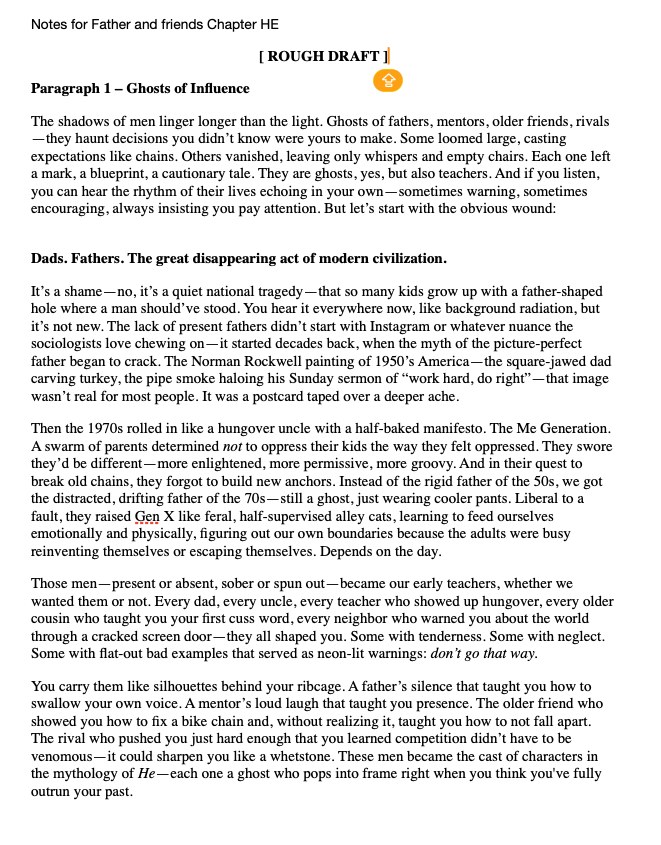
A rough draft page from a book chapter
2. Cross-Disciplinary Bleed
When you work across multiple mediums—writing prose, cutting tape, hammering out a melody—you realize the lessons don’t stay in their designated lanes.
- In music: A song stalls out because the bridge has no backbone, no narrative tension.
- In writing: A chapter flatlines because the cadence is too heavy, starving for air.
When you slam into a wall with a text and walk over to pick up a guitar—or vice versa—the intelligence carries over. The rhythm you couldn’t force into a lyric bleeds right into the architecture of a paragraph. The atmospheric weight you couldn’t resolve in a video cut becomes the exact tension a scene needs.
Nothing gets lost in the ledger. It just changes form.
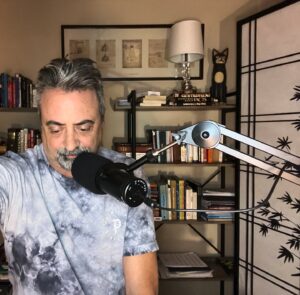
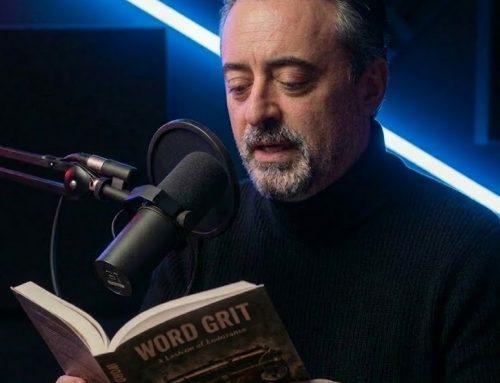
Podcast recording is hard – not gonna lie
3. The Mercy of Cutting the Line
There’s a toxic mythology handed down to creators that real grit means dragging every single idea across the finish line, no matter how dead or lifeless it becomes.
That isn’t grit. That’s just stubbornness without a compass.
Knowing when to drop a project and walk away takes a colder, harder kind of maturity. You have to learn the difference between constructive friction—the heavy, necessary labor of solving a real problem—and dead weight, where an idea has bled out and has nothing left to teach you.
Putting a dead project in the drawer isn’t quitting. It’s clearing the bench so you can build something that actually breathes.
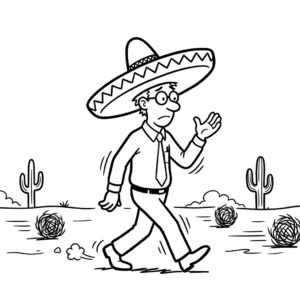
Working on some comic animations
4. An Inventory of Rust
Open up those old folders today. Look at the rough audio, the broken sentences, the unfinished cuts.
Stop seeing a crime scene. Start seeing a logbook of your own evolution. That’s the heavy lifting you had to do in the dark so your public work could carry weight.
You aren’t defined by what you managed to package and ship. You’re defined by the habit of coming back to the bench, day after day, willing to wrestle with raw material even when it falls apart in your hands.
Let the ghost projects stay in the dark. They already did their job.
Exploring the known and the unknown with a beat writer’s eye for truth
Related Posts

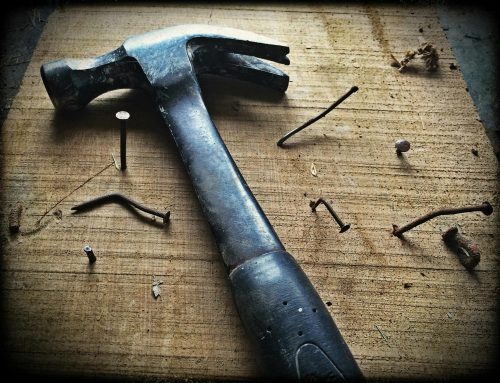
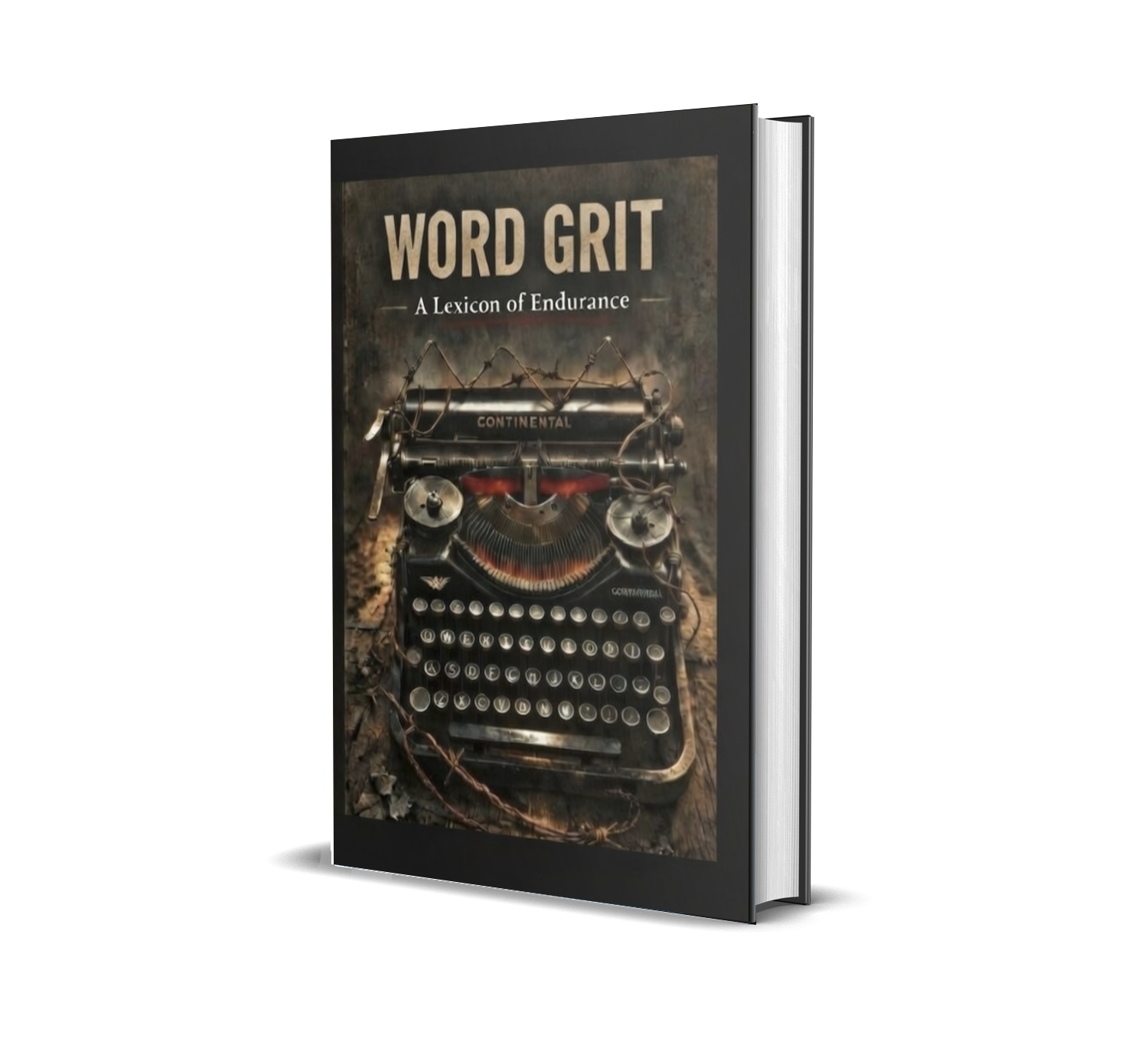
Word Grit – A Lexicon of Endurance
Word Grit is a raw, unfiltered street philosophy collection of beat writings. Truth doesn't ask for permission to speak the truth. It's not about comfort; it's about clarity, grit, and the relentless pursuit of authenticity.