Humans are addicted to certainty. Not metaphorically addicted: neurons wired for predictability, dopamine circuits are triggered every time the universe obeys our expectations. Since the first brain learned to recognize fire, predators, or the changing seasons, we have craved patterns. Life is chaos, infinite variables, a tornado of possibility, and it seems like our brains are desperate for a leash.
Ideology, dogma, and belief systems are not social constructs alone. They are neurochemical candy, the brain’s sugar, the way we soothe anxiety with narrative. Predictability tastes good. Comfort tastes like obedience.
Our neurons do not rest. The prefrontal cortex and striatum work like obsessive librarians cataloging every outcome, punishing surprises. Dopamine floods when predictions hold, a rush of confirmation that feels like control. Someone shouts, “We know the way,” and your brain nods, salivates, leans in. Skepticism triggers mini-withdrawals. Nuance feels like acid on your tongue. Social reinforcement—likes, shares, applause—turns ideology into a behavioral drug, a loop you can never quite escape. Predictability is the high. Truth is optional. Welcome to the addiction.
Dogma is comfort. It sells safety the way a vending machine sells sugar.
Political manifestos, extreme diets, conspiracy theories, religious zealotry – all are packaged assurance. Chaos becomes clear rules: obey, categorize, repeat. Critical thinking is a chore, a weight your dopamine circuits do not want to carry. Tribal loyalty and group identity amplify the effect. Agreement itself is a rush. Disagree and the brain panics, a mini-withdrawal in every argument. Certainty is no longer optional. It becomes a cage disguised as shelter.
Go with the crowd, it’s easier.
Algorithms know this. Social media feeds your addiction like a dealer. Predictable content, aligned with your existing views, floods the system. Surprise is minimized. Curiosity suffocates. Every click, like, share is a reinforcement of dogma. You do not discover nuance; you discover dopamine pathways. You do not challenge beliefs; you learn to anticipate reward. The loop is invisible, daily, relentless.
Escaping the addiction is not about collecting facts. It is about tolerating ambiguity, walking willingly into discomfort. Cognitive flexibility is the antidote. Humor, curiosity, and the willingness to revise beliefs act as countermeasures. Mindfulness trains the brain to sit with uncertainty without latching onto rigid frameworks. Complexity is a reward not handed to us automatically. Social media conspires against it. Every algorithmic feed nudges you back into the cage, reinforcing certainty, punishing doubt.
The cost of certainty addiction is high. Curiosity dies quietly. Nuance withers. Critical thinking becomes an occasional ritual, just to tell yourself you’re not an idiot, yet it is an uncomfortable flex of mental muscle. Society calls it sanity, civilization, stability. In reality, it is a loop, a chemical reinforcement of fear and obedience masquerading as knowledge. Life is not neat. People are not predictable. Yet our brains treat chaos like poison and certainty like water.
It’s not a new thing. Pattern-seeking is evolution baked into neurons. Predictive coding, a neuroscience model, explains why expectation drives perception and why violations trigger stress responses. Stress is not a signal to adapt—it is a cue to cling harder, to double down on ideology. The modern twist is digital. Algorithms know our cravings better than we do. Our feed becomes a mirror of our obsessions, a hall of predictive pleasure, a dopamine loop coded in zeros and ones.
Understanding the biology is a start, not a finish. Recognizing that your craving for order is not moral weakness but neural wiring opens a sliver of freedom. Cognitive flexibility, mindfulness, and social accountability offer a way forward, but only if we actively choose discomfort over comfort. If we avoid it, certainty continues to masquerade as truth. Our minds become prisons of our own design, and dogma becomes not comfort but dependency.
Addicted to certainty, humans built civilizations to prove themselves right. Dogma is cheap, predictable, and easy. Uncertainty is expensive, dangerous, and uncomfortable. And yet, to escape the loop, to reclaim curiosity, is the only way forward. The fight is biological, cultural, and ethical. Every time you pause before sharing, agreeing, or reacting, you have the chance to step out of the loop. Every time you laugh at your own assumptions, question your tribe, or sit with ambiguity, you reclaim a fragment of freedom stolen by dopamine.
Humans are predictable creatures, wired to crave certainty. Knowing the trap exists is the first step toward walking the line between comfort and intellectual freedom. Curiosity is a rebellion. Skepticism is survival. Uncertainty is a gift if you have the courage to take it.
Exploring the known and the unknown with a beat writer’s eye for truth
Related Posts



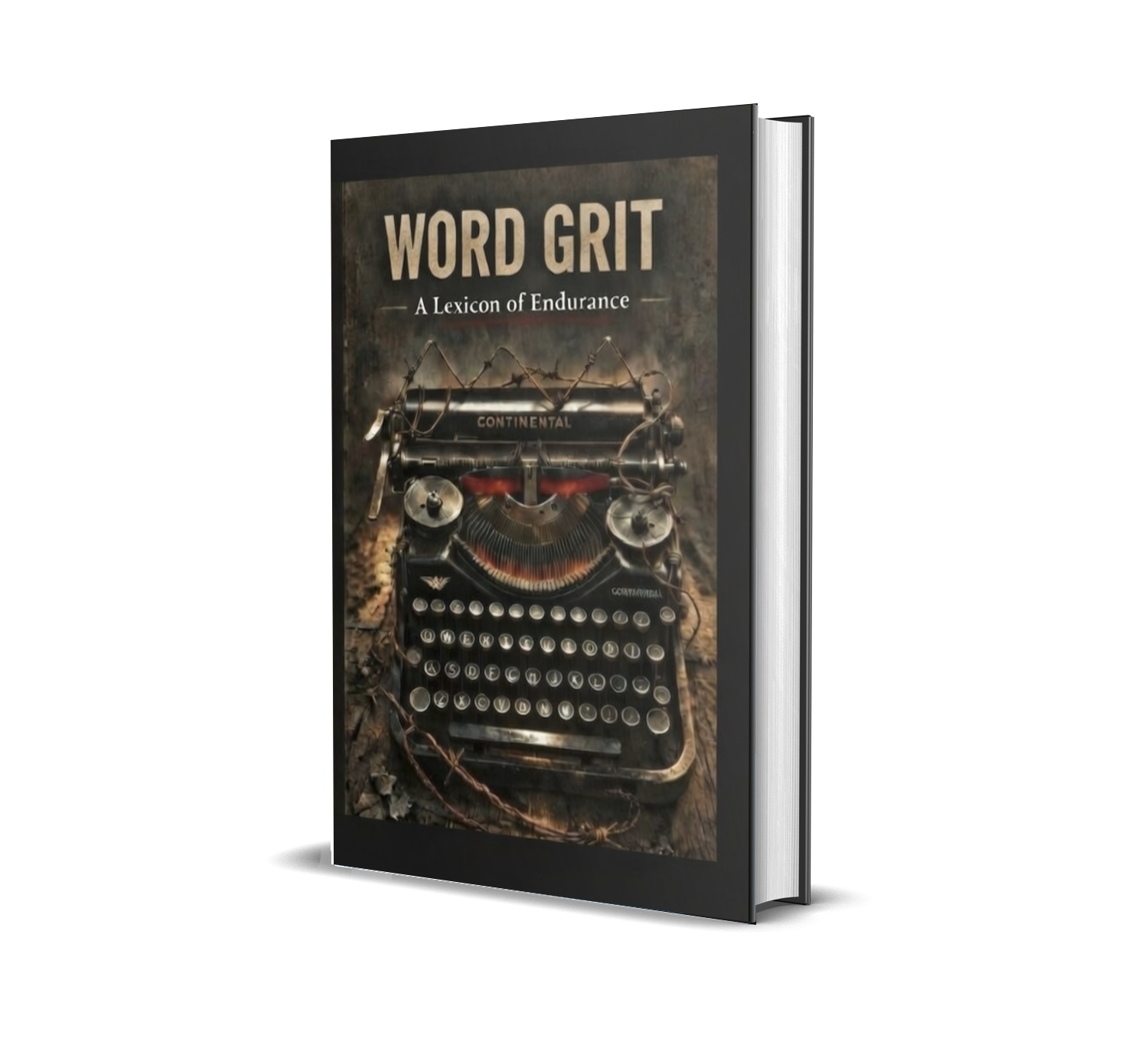
Word Grit – A Lexicon of Endurance
Word Grit is a raw, unfiltered street philosophy collection of beat writings. Truth doesn't ask for permission to speak the truth. It's not about comfort; it's about clarity, grit, and the relentless pursuit of authenticity.
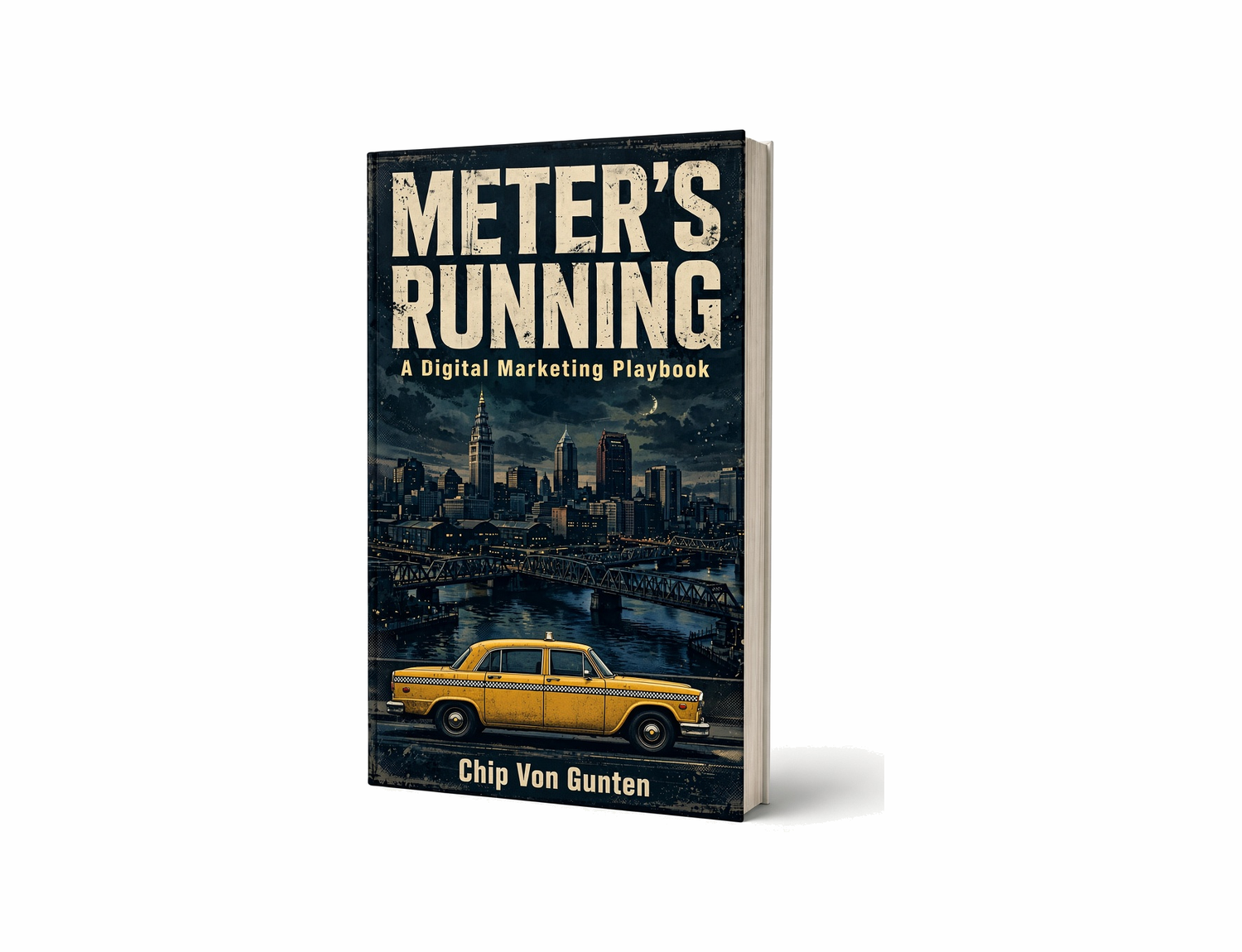
Meter’s Running – A Digital Marketing Playbook
Meter's Running is a digital marketing playbook drawn from nearly a decade of freelance client work — part memoir, part manual. Coming soon.